
Mastering the Art of Sports Broadcasting: Strategies for Success
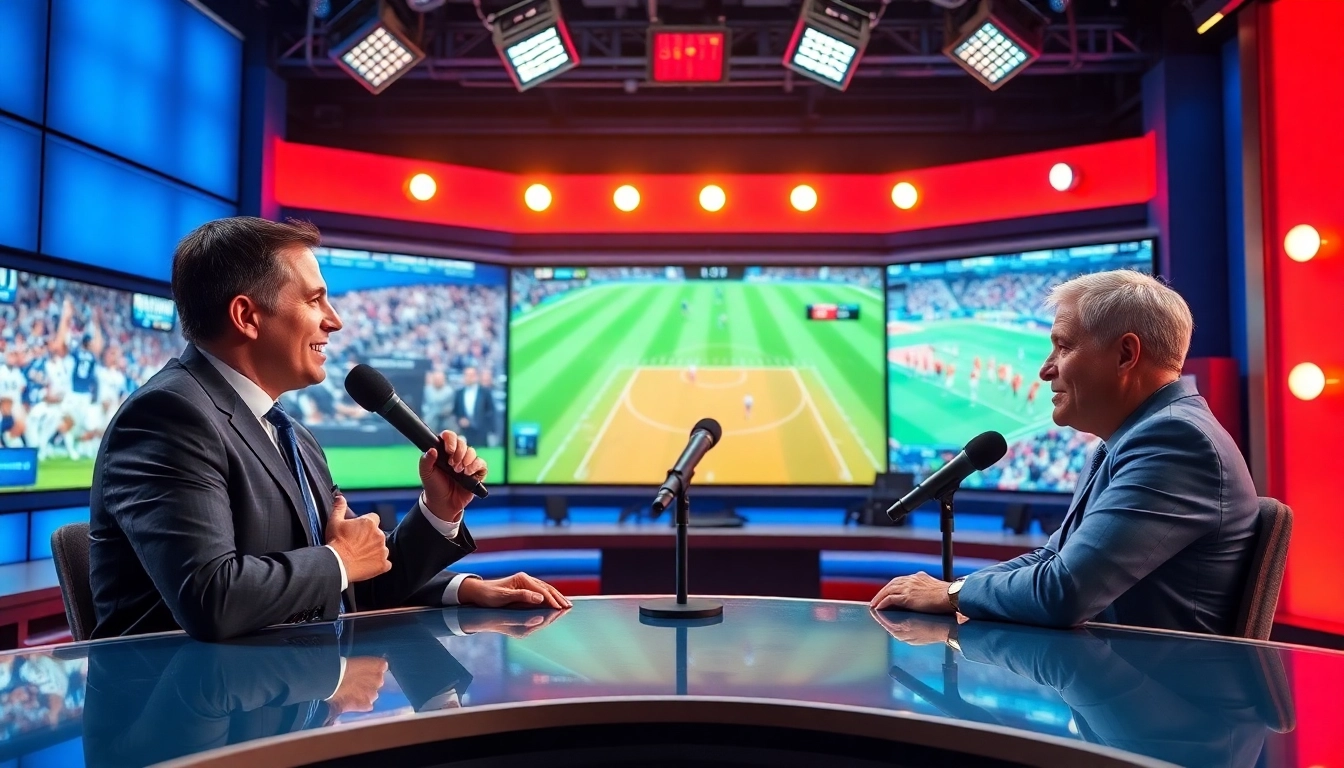
Understanding Sports Broadcasting
Sports broadcasting plays a pivotal role in the modern sports landscape, offering fans a chance to engage emotionally and intellectually with their favorite events. As the digital era has evolved, so too has the method of delivering sports content, leading to a significant transformation in how audiences consume sports media. This article will delve into the various facets of sports broadcasting, exploring its definition, history, importance, key components, required skills, current challenges, and future trends while focusing on the implications of Sports Broadcasting.
Definition of Sports Broadcasting
At its core, sports broadcasting refers to the live coverage and commentary of sporting events through various media channels, including television, radio, and online platforms. This includes not just the play-by-play action during games but also analysis, interviews, and commentary that add depth to the viewer’s experience. Sports broadcasting serves as a bridge between the athlete’s performance and the audience’s appreciation, transforming mere observations into engaging narratives.
History and Evolution
The history of sports broadcasting dates back to the early 20th century when radio was the dominant medium. The first ever sports broadcast was a boxing match in 1921. As technology advanced, television emerged in the mid-20th century, significantly enhancing the viewing experience by providing live visuals. The evolution has continued into the 21st century with the rise of digital platforms and streaming services, which allow for on-demand content and interaction. Today, sports broadcasting is not just about covering events; it encompasses predictive analytics, social media integration, and personalized viewing experiences.
Importance in Sports Culture
Sports broadcasting is crucial for several reasons, particularly in promoting sports culture and community engagement. By providing instant access to games, highlights, and analyses, broadcasters contribute directly to fandom growth and sporting culture. They help develop narratives around teams and athletes, fostering a deeper emotional connection. The commentary and analysis provided during broadcasts also educate audiences about game strategies, player statistics, and the broader context of sports, enhancing appreciation and understanding.
Key Components of Sports Broadcasting
Live Event Coverage
Live event coverage stands as the cornerstone of sports broadcasting. It includes real-time commentary, analysis, and even entertainment elements to keep viewers engaged. Broadcasters face the challenge of maintaining high energy levels and providing insightful commentary, especially during crucial moments of games like last-minute plays or unexpected injuries. Effective live coverage requires a seamless blend of preparation and spontaneity, as broadcasters must adapt quickly to the unfolding events.
Studio Analysis
The role of studio analysis is to provide context and depth to the live event coverage. Analysts often break down plays, examine strategies, and provide insights on player performances. In addition to on-screen graphics and statistical data, studio analysts engage in discussions that enhance viewer understanding. This analysis adds immense value, transforming live sports into educational experiences, while involving expert opinions that lend credibility to the broadcast.
Audience Engagement Techniques
Effective audience engagement encompasses several techniques, from interactive features such as live polls and viewer questions to social media integration that allows fans to participate in discussions during broadcasts. Broadcastersuse these techniques to cultivate a community around their programming, encouraging viewer loyalty and enhancing the overall viewing experience.
Essential Skills for Sports Broadcasters
Communication Skills
Effective communication is perhaps the most critical skill for a sports broadcaster. This includes not only clear articulation but also the ability to convey excitement and nuance during live coverage. Broadcasters must engage their audience using language that is accessible, yet rich in detail, allowing fans to share in the thrill of the game. Mastering this balance can significantly enhance the entertainment value of a sports broadcast.
Research and Preparation
Preparation is the bedrock of successful sports broadcasting. Knowledge of teams, players, statistics, and trends is essential. Broadcasters spend hours researching to ensure their commentary is accurate and insightful. This thorough preparation should encompass understanding player histories, team dynamics, and recent performances to create informed narratives that resonate with viewers.
Technical Proficiency
In today’s tech-driven landscape, sports broadcasters must also possess technical skills, including proficiency with broadcasting equipment such as cameras, microphones, and editing software. Understanding how to use technology not only empowers broadcasters during live events but is also crucial for delivering high-quality pre- and post-event content. Familiarity with social media platforms and streaming technologies has become increasingly essential as viewer preferences shift towards digital consumption.
Challenges in Sports Broadcasting
Keeping Up with Fast-Paced Events
One of the most significant challenges in sports broadcasting is the fast-paced nature of live events. Broadcasters need to maintain a high level of concentration and be prepared for unexpected moments, such as a last-minute goal or an injury timeout. The ability to react quickly while providing meaningful commentary can be overwhelming, necessitating extensive preparation and auditory reflexes.
Audience Expectations and Criticisms
With the advent of social media, audience expectations have skyrocketed. Fans expect detailed analysis and real-time updates, which can lead to harsh criticisms when expectations are not met. Broadcasters must navigate these challenges with professionalism, striving to exceed viewer expectations while managing the immense pressure of live audiences.
The Role of Technology
Technology’s impact on sports broadcasting cannot be overstated. While it enhances viewer experience through innovative features like instant replays and multi-angle views, it also presents challenges such as technology failures and cybersecurity risks. Broadcasters must be not only adept in using technology but also prepared to tackle any issues that arise during events, ensuring a smooth viewer experience.
Future Trends in Sports Broadcasting
Impact of Streaming Services
The rise of streaming services has dramatically altered the landscape of sports broadcasting. These platforms allow for flexibility in viewership and enable fans to watch events on their terms. As younger audiences shift away from traditional cable, broadcasters must adapt their strategies to incorporate streaming, potentially exploring exclusive deals with streaming platforms for live event coverage.
Emerging Technologies
Emerging technologies like augmented reality (AR) and virtual reality (VR) are set to revolutionize sports broadcasting. These technologies offer immersive experiences, allowing fans to engage with content in innovative ways. Implementing AR features, such as visualizing player stats on-screen during live events, can significantly enhance viewer engagement and satisfaction.
Changing Audience Demographics
As demographics shift, sports broadcasters must adapt their messaging and strategies to resonate with diverse audiences. Younger viewers often seek authenticity and engagement over traditional forms of broadcasting, necessitating tailored content and interactive experiences. Understanding these demographic shifts enables broadcasters to cater to evolving preferences, ensuring sustained growth and engagement.
Frequently Asked Questions
What is sports broadcasting?
Sports broadcasting refers to the live coverage and commentary of sporting events through various media, such as television, radio, and online platforms.
What skills are needed for a sports broadcaster?
Essential skills include excellent communication, research, and analytical abilities, along with technical proficiency to operate broadcasting equipment.
How has sports broadcasting evolved?
It has evolved from radio broadcasts to include television and digital platforms, offering interactive and on-demand viewing experiences.
What challenges do sports broadcasters face?
Broadcasters often deal with fast-paced event coverage, audience expectations for analysis, and the rapid advancement of broadcasting technology.
What trends are shaping the future of sports broadcasting?
Key trends include the rise of streaming services, use of augmented reality, and changing viewer demographics influencing content delivery.